

Théa Medical Library

Una colección única de libros que abordan diferentes temas y patologías, elaborados en colaboración con oftalmólogos internacionales de reconocido prestigio, líderes en sus respectivas áreas.

Bienvenido a la Théa Medical Library

Su biblioteca médica de referencia en oftalmología, que ofrece una colección digital única creada por expertos internacionales.

La Théa Medical Library es una biblioteca digital cuidadosamente desarrollada por Théa para apoyar la formación y actualización profesional en oftalmología.
Reúne libros y guías clínicas de alta calidad, ricamente ilustrados, redactados en colaboración con reconocidos oftalmólogos de todo el mundo.

Los temas abarcan áreas clave como el OCT y el glaucoma, las úlceras corneales crónicas, los tumores palpebrales y conjuntivales, así como la evolución histórica de los instrumentos y tratamientos oftálmicos.

Disponible a través de Théa Academy, la Biblioteca Médica ofrece a los profesionales del cuidado ocular —desde residentes hasta especialistas experimentados— los recursos necesarios para mantenerse informados sobre los últimos avances clínicos y perspectivas históricas de la especialidad.

Loading…
Manual Práctico de la inflamación

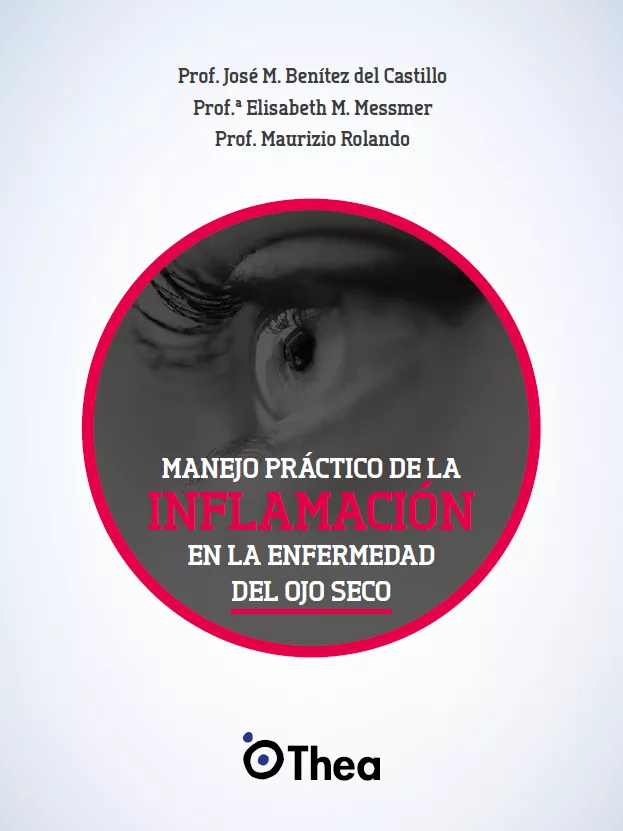
MANEJO PRÁCTICO DE LA INFLAMACIÓN EN LA ENFERMEDAD DEL OJO SECO

Prof. José M. Benítez del Castillo Prof.ª Elisabeth M. Messmer Prof. Maurizio Rolando,
Córnea
“Manejo práctico de la inflamación en la enfermedad del ojo seco” es una guía clínica orientada al oftalmólogo que aborda el papel clave de la inflamación en la fisiopatología del ojo seco. A través de un enfoque práctico y basado en las recomendaciones del TFOS-DEWS II, el libro revisa la identificación de la inflamación, los principales biomarcadores y las estrategias terapéuticas actuales, incluyendo el uso de corticosteroides, inmunomoduladores y otras opciones de tratamiento. Una herramienta útil para optimizar el manejo clínico y mejorar los resultados en pacientes con enfermedad de la superficie ocular.
Ver más
¡Nuevo!

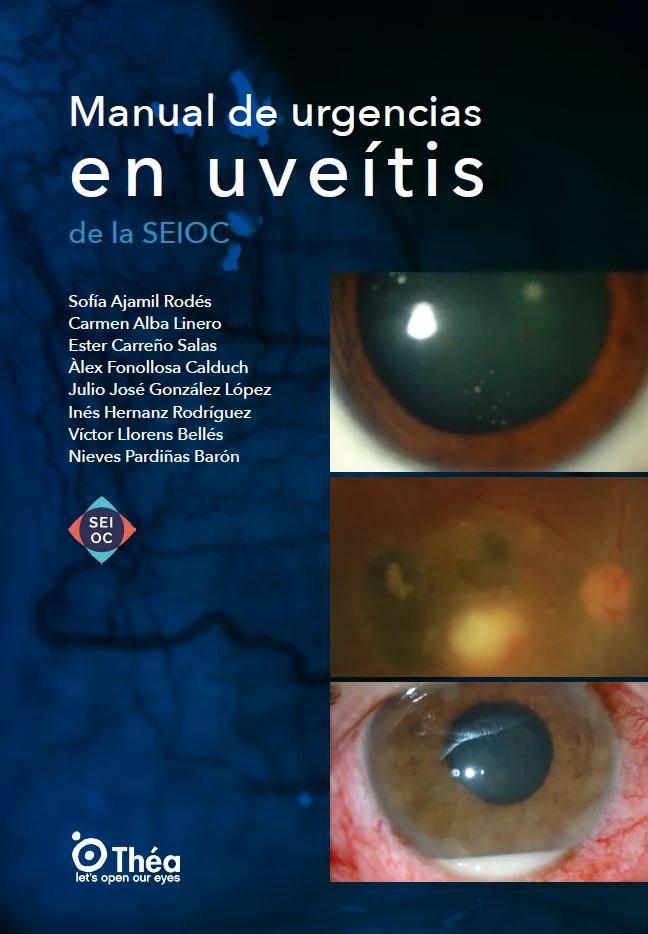
Manual urgencias en uveítis

Coordinadores / autores principales Sofía Ajamil Rodés Carmen Alba Linero Ester Carreño Salas Àlex Fonollosa Calduch Julio José González López Inés Hernanz Rodríguez Víctor Llorens Bellés Nieves Pardiñas Barón Otros autores colaboradores Francisco Arnalich Montiel Marta S. Figueroa Francisco José Muñoz Negrete Mercedes Serrador García Carmen Soria Prada,
Manual práctico orientado al manejo urgente de las principales patologías inflamatorias oculares relacionadas con la uveítis. Está estructurado por: segmento anterior, segmento posterior, y algoritmos diagnósticos/diferenciales. Incluye capítulos sobre: escleritis y epiescleritis, queratouveítis, retinocoroiditis toxoplásmica, necrosis retiniana aguda, endoftalmitis, edema macular uveítico, vasculitis retiniana, vitritis, hipopion, síndromes de manchas blancas, y diagnóstico diferencial del ojo rojo. El enfoque es eminentemente clínico y práctico, dirigido a oftalmólogos y especialistas en inflamación ocular para facilitar diagnóstico rápido y tratamiento en situaciones de urgencia.
Ver más
¡Nuevo!

What’s up with your eye?

Pr. Marie-José TASSIGNON / Pr. Nicoline SCHALIJ-DELFOS,
Otros
Early vision screening is essential for children’s eye health and overall development. Eye conditions such as myopia or amblyopia (lazy eye) can go unnoticed, but if left undetected, they may negatively impact school performance, self-confidence, and quality of life. Systematic eye screening in schools and community settings enables early detection and timely treatment, which is essential to prevent permanent vision impairment and promote healthy development.
Ver más

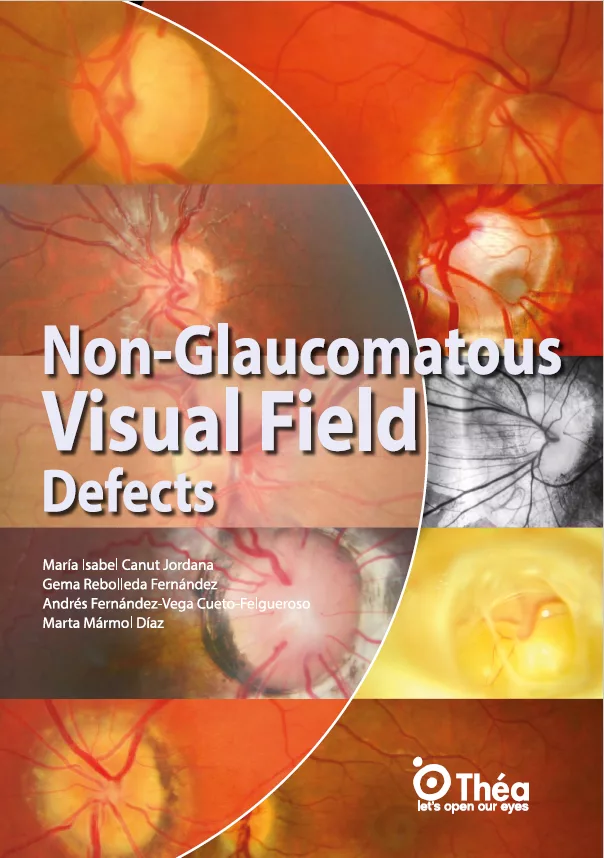
Non glaucomatous visual field defects

Maria Isabel CANUT JORDANA / Gema REBOLLEDA FERNANDEZ / Andrés FERNANDEZ-VEGA CUETO-FELGUEROSO / Marta MARMOL DIAZ,
Glaucoma
Non-glaucomatous visual field defects are alterations in visual perception not caused by glaucomatous damage to the optic nerve. This book highlights the importance of distinguishing these from typical glaucomatous field loss, as they often stem from neuro-ophthalmological or congenital conditions, each requiring distinct diagnostic and therapeutic strategies. Common conditions producing these defects include optic disc drusen, tilted disc syndrome, optic nerve hypoplasia, optic disc coloboma, and morning glory disc anomaly.  
Ver más

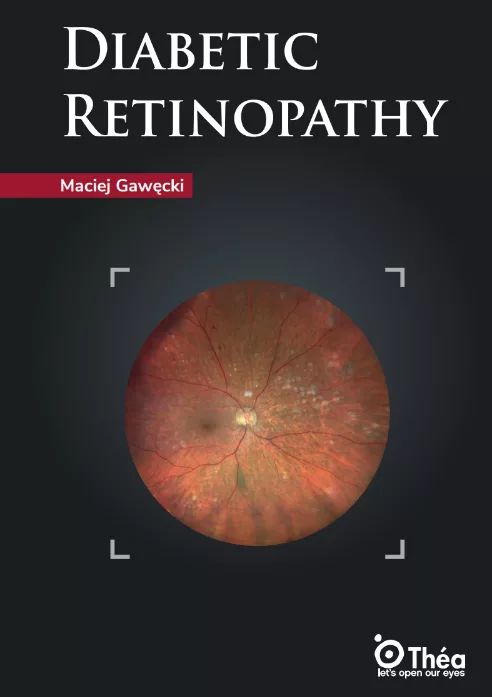
Diabetic Retinopathy

Maciej GAWECKI,
Retina
Diabetic retinopathy is one of the most serious complications of diabetes and a leading diabetes-related eye disease, affecting the retina, the delicate tissue at the back of the eye that is essential for vision. High blood sugar levels over time cause progressive retinal damage by harming the small blood vessels in the retina, leading them to leak fluid or bleed. This process can result in swelling (macular edema), the formation of abnormal new blood vessels (proliferative diabetic retinopathy), and, eventually, progressive vision impairment.
Ver más

OCTA in ophthalmology

Angela CARNEIRO / Rita FLORES / Antonio CAMPOS,
Imagenología oftálmica
Optical Coherence Tomography Angiography (OCTA) is a cutting-edge, non-invasive method that enables detailed visualization of the retinal and choroidal microvasculature without the need for dye injections. OCTA in ophthalmology has emerged as a revolutionary imaging technique, providing depth-resolved, high-resolution imaging of retinal blood flow by detecting motion contrast from red blood cells. Unlike traditional fluorescein angiography (FA), which is limited to two-dimensional imaging and is affected by leakage and staining, optical coherence tomography angiography allows clinicians to assess both the structure and function of the eye’s microvascular networks in real time.
Ver más

Glaucoma stories

Florent APTEL / Jean-François ROULAN,
Glaucoma
This glaucoma review provides insights into various presentations of the disease through 20 real-world clinical cases. The most common form primary open angle glaucoma is a recurrent theme, though rarer forms such as angle closure glaucoma and secondary glaucomas (e.g., uveitic, pigmentary, steroid-induced) are richly illustrated. A unifying thread is the progressive and irreversible nature of visual field defects, reinforcing the urgency of early diagnosis. Several cases show how ocular hypertension, initially detected incidentally, evolves silently before clinical symptoms emerge.
Ver más

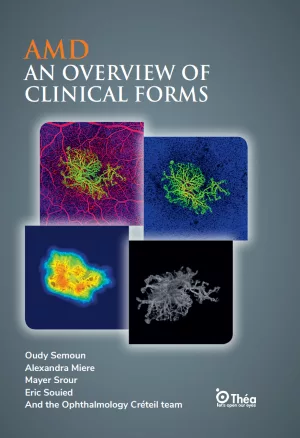
AMD an overview of clinical forms

Oudy SEMOUN / Alexandra MIERE / Mayer SROUR / Eric SOUIED,
Retina
Age-related macular degeneration (AMD) is a leading cause of vision loss in the elderly, affecting the central portion of the retina and progressively impairing central vision. This retinal disease manifests in two primary AMD clinical forms: dry (atrophic) and wet (exudative). Dry AMD, also known as atrophic AMD, involves gradual retinal pigment epithelium degeneration and the accumulation of drusen yellow deposits beneath the retina. This form accounts for approximately 85–90% of AMD cases. It typically progresses slowly and can culminate in geographic atrophy, leading to central vision loss.  
Ver más

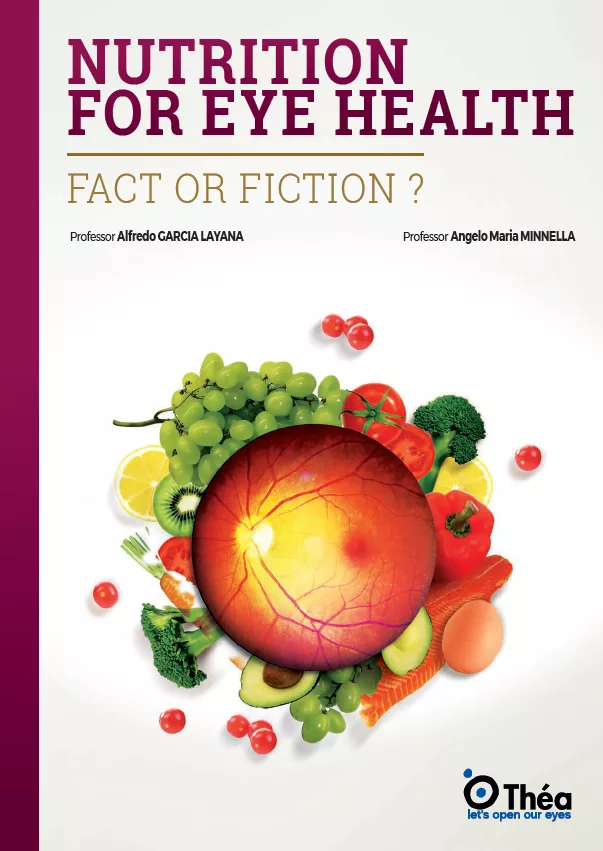
Nutrition for eye health

Alfredo GARCIA LAYANA / Angelo MARIA MINNELLA ,
Nutrición
The role of nutrition in maintaining ocular health is increasingly recognized as crucial for both preserving vision and preventing eye diseases. The eye, as a highly metabolically active organ, requires a constant supply of specific nutrients to maintain its structure and function. There is evidence suggesting that essential nutrients such as vitamins A, C, and E, zinc, omega-3 fatty acids, lutein, and zeaxanthin may assist in protecting ocular tissues and supporting their natural regenerative processes. 
Ver más

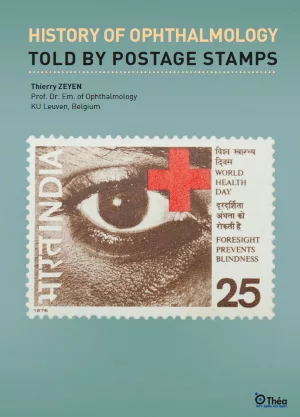
History of ophthalmology told by postage stamps

Thierry ZEYEN,
Otros
The anatomical conception of the eye has undergone a remarkable transformation throughout history. Early records, such as the Ebers Papyrus from 1550 B.C., reveal how ancient civilizations blended myth, medicine, and philosophy in their understanding of anatomy and physiology. In those times, the eye was often regarded as a mystical organ, with healing powers attributed to symbols like the Eye of Horus, a motif prominently featured on stamps from the 1937 Cairo Congress on ophthalmology. This symbol not only represented protection and health but also reflected the deep cultural significance of vision in ancient societies.
Ver más

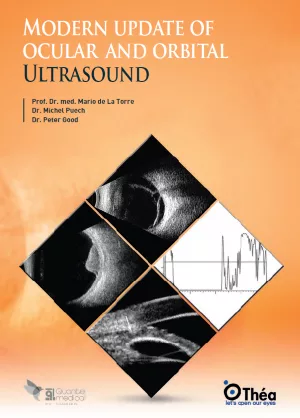
Modern update of ocular and orbital ultrasound

Mario DE LA TORRE / Peter GOOD / Michel PUECH,
Imagenología oftálmica
Ocular and orbital ultrasound is a non-invasive imaging technique that utilizes high frequency sound waves to visualize the structures of the eye and surrounding orbital tissues. This method is particularly valuable when direct examination is hindered by media opacities, such as dense cataracts, vitreous hemorrhages, or corneal scars.
Ver más

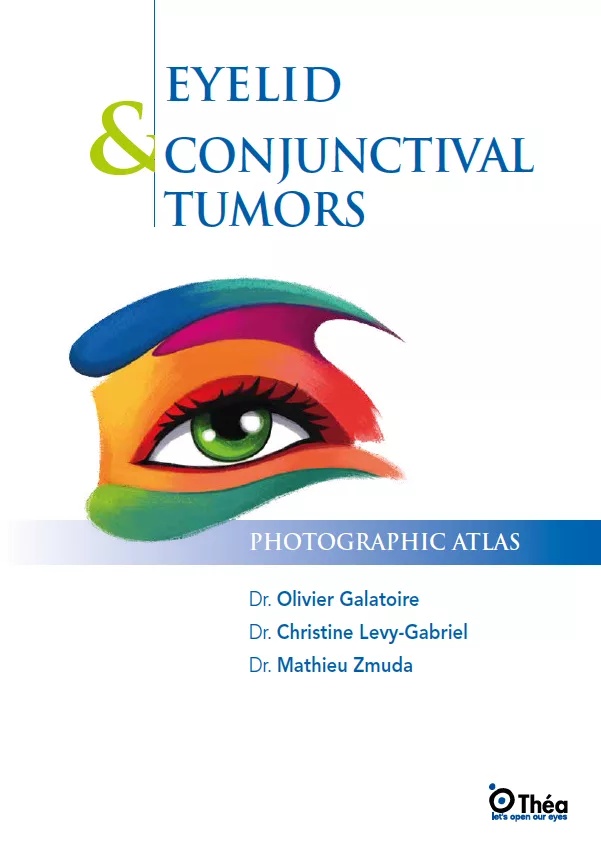
Eyelid and conjunctival tumors: a comprehensive guide for ophthalmologists

Olivier GALATOIRE / Christine LEVY-GABRIEL / Mathieu ZMUDA,
Párpado
The eyelid and conjunctiva are critical components of the ocular system, performing essential functions such as protecting the eye, regulating corneal hydration, and contributing to eye aesthetics.
Ver más
Traducir »